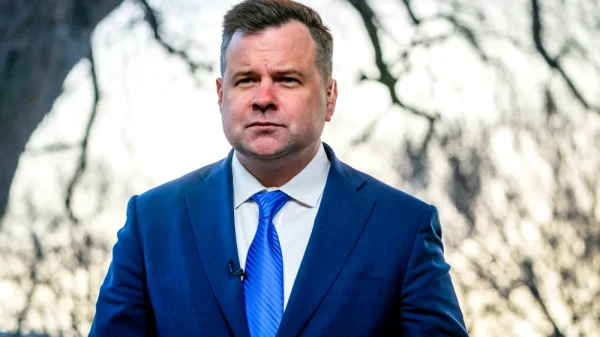



















Defense Secretary Pete Hegseth on Tuesday defended the U.S. military’s decision to launch a second strike on a suspected drug-smuggling vessel in the Caribbean on Sept. 2, an operation that resulted in 11 deaths and has drawn increasing scrutiny from lawmakers.
Speaking during a cabinet meeting at the White House, Hegseth said he did not personally observe any survivors in the water during the operation, citing the “fog of war” and explaining that he left the live video feed before the second strike occurred. Reports later revealed that two men who survived the initial attack were clinging to the boat’s burning wreckage when they were killed in the follow-up strike.
Hegseth maintained that Adm. Frank M. Bradley, who oversaw the mission, acted appropriately in ordering the additional strike. “He eliminated the threat, and it was the right call,” Hegseth said, emphasizing that the boat was believed to be part of a drug-smuggling network that posed an ongoing danger.
The Sept. 2 operation marked a significant escalation in the administration’s approach to maritime drug interdiction, with the United States treating suspected smugglers at sea as hostile operatives. The policy has sparked legal and ethical concerns, including questions over whether the second strike violated international humanitarian law.
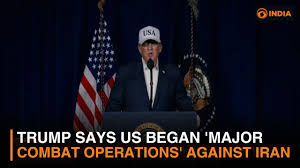
While Hegseth continues to defend the mission, President Trump over the weekend appeared to distance himself slightly from the decision, saying he “wouldn’t have wanted” a second strike on survivors. However, on Tuesday he publicly reaffirmed his support for both Hegseth and Admiral Bradley.
Trump also signaled an expansion of the administration’s counter-narcotics strategy, stating that U.S. forces may conduct future strikes on land as well, targeting anyone involved in manufacturing or trafficking drugs into the United States. He suggested operations may extend beyond Venezuela, hinting at a broader campaign.
The incident has prompted bipartisan calls in Congress for clarity on the administration’s rules of engagement and the legal framework governing lethal force in anti-smuggling missions. Lawmakers are seeking a full accounting of how decisions were made on Sept. 2 and what safeguards are in place to prevent unlawful killings at sea.