























United Parcel Service announced plans to eliminate up to 30,000 operational positions and close 24 additional facilities in 2026, accelerating a strategic shift away from lower-margin shipments tied largely to Amazon, the company’s biggest customer and an increasingly direct competitor.
The job reductions follow an aggressive cost-cutting campaign already underway. In 2025, UPS eliminated about 48,000 roles, offered buyout packages to drivers, and shut down operations at 93 locations, actions aimed at delivering roughly $3 billion in savings.
Workforce Reductions Through Attrition
UPS Chief Financial Officer Brian Dykes said the latest round of cuts will primarily be achieved through attrition, with another voluntary separation program planned for full-time drivers.
The company reported having approximately 490,000 employees globally, including nearly 78,000 management staff, according to its most recent annual filing.
Moving Away From Low-Margin Amazon Business
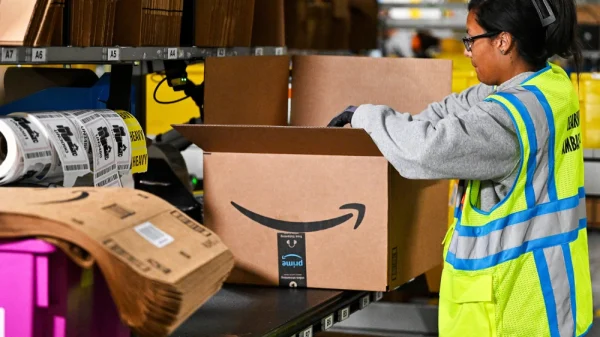
Central to UPS’s strategy is its decision to significantly reduce deliveries for Amazon, a relationship the company has previously described as “extraordinarily dilutive” to profit margins. The initiative, known internally as the Amazon “glide-down,” aims to sharply reduce the volume of low-profit packages moving through UPS’s network.
Chief Executive Officer Carol Tomé said the company is in the final stages of that plan and intends to cut another one million Amazon-related packages per day throughout 2026, while continuing to reconfigure its logistics network to prioritize higher-margin shipments.
Financial Performance and Market Reaction
Despite the workforce reductions, UPS posted stronger-than-expected financial results for the fourth quarter. Revenue reached $24.5 billion, topping Wall Street estimates, while adjusted earnings came in at $2.38 per share, exceeding analyst forecasts.
The company also projected 2026 revenue of $89.7 billion, above both last year’s total and market expectations. Shares of UPS rose nearly 3% in early trading following the announcement, while rival FedEx also saw gains.
Revenue per package increased across both domestic and international segments, reflecting improved pricing and a greater focus on more profitable shipments, even as overall volumes declined.
Navigating a Shifting Global Landscape
UPS said it continues to face a challenging macroeconomic environment shaped by evolving global trade policies, geopolitical uncertainty, and the end of certain duty-free e-commerce exemptions that had previously supported shipment volumes.
The company also recorded a $137 million non-cash charge related to the retirement of its MD-11 aircraft fleet following a fatal crash late last year. The fleet was fully retired in the fourth quarter.
Looking ahead, UPS expects revenue to dip in the first half of the year as Amazon volume reductions are completed, before rebounding later in 2026 once the transition is finished.
A Broader Industry Trend
UPS’s restructuring mirrors a broader trend across logistics and technology sectors, where companies are cutting jobs, closing facilities, and refocusing on profitability amid slowing global growth and rising operational costs.
For UPS, the move marks a decisive pivot away from sheer scale toward efficiency—reshaping the company’s workforce and network as it bets on higher-margin deliveries to drive long-term stability.