






















New Rocket Recoveries Signal Growing Global Competition in the Space Industry
For years, SpaceX has led the commercial space race with its ability to recover and reuse rocket boosters, a breakthrough that has helped reduce launch costs and reshape the future of spaceflight. Now, China and Japan are accelerating their own reusable rocket programs, signaling a new phase of international competition.
Recent successful recovery tests by emerging space powers highlight a growing effort to develop reusable launch systems that could make access to orbit cheaper and more frequent. Space experts say these advances may transform the global space economy by lowering costs and encouraging more companies and countries to participate.
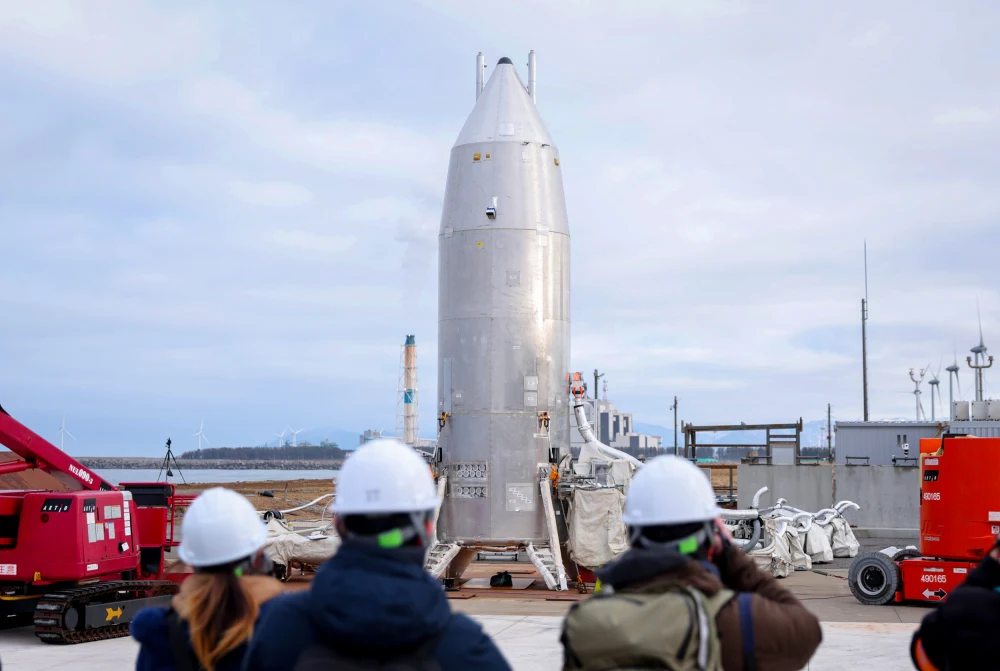
Japan has been testing reusable rocket technology through experimental vehicles designed to demonstrate controlled flight, landing, and recovery capabilities. One such effort involves the RV-X experimental reusable vehicle, which has been used to study technologies needed for future reusable spacecraft.
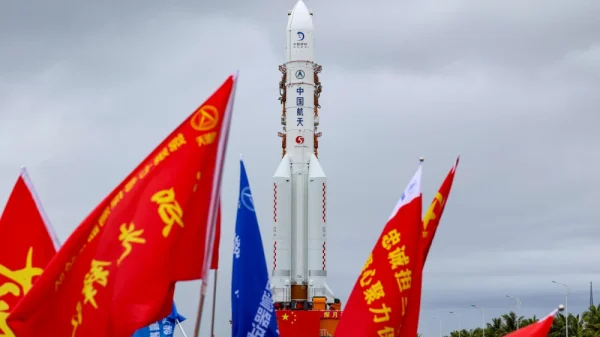
China has also expanded its work on reusable rockets, conducting a series of tests aimed at developing systems capable of returning launch vehicles safely after missions. The country’s space industry has made rapid progress in recent years as Beijing seeks to strengthen its position in commercial and government space activities.
SpaceX, founded by Elon Musk, remains a major leader in reusable rocket technology, having successfully landed and reused boosters for years through its Falcon rocket program. The company’s achievements have changed industry expectations and pushed competitors to invest heavily in similar systems.
The rise of reusable rockets is expected to increase competition among space companies and national programs. Analysts say greater competition could lead to more affordable satellite launches, expanded space research, and faster development of future missions to the Moon, Mars, and beyond.
As more countries develop reusable launch capabilities, the space industry is moving toward a model where rockets are treated less like single-use equipment and more like reusable transportation systems.