




















Mississippi communities are bracing for another wave of extreme cold as tens of thousands of residents remain without electricity nearly a week after a crippling ice storm swept across the Southeast, leaving widespread damage, strained resources, and mounting safety concerns.
Across the state, emergency shelters are nearing capacity, hospitals are improvising to maintain basic operations, and families are struggling to stay warm as forecasts warn of plunging temperatures through the weekend. Officials say the prolonged outage and bitter cold combination has created a life-threatening situation for many residents.
In Batesville, local leaders report that emergency shelters are quickly filling with people who have no heat or safe place to stay. Farther north in Tippah County, hospital staff were forced to haul water manually after frozen infrastructure disrupted plumbing systems, underscoring the strain on essential services.
In Rolling Fork, a small Mississippi Delta community still recovering from a devastating tornado three years ago, some residents have resorted to sleeping in their vehicles to escape the cold. City officials compared the emotional toll of the ice storm to the earlier natural disaster, citing widespread destruction of trees, roofs, and power lines.
State authorities confirmed that at least 16 storm-related deaths have been reported in Mississippi, including fatalities linked to generator accidents and a house fire believed to have been caused by a space heater. Gov. Tate Reeves urged residents without reliable heat to relocate to warming centers before temperatures dropped further.
Meteorologists with the National Weather Service warned that nighttime lows could fall to around 10 degrees Fahrenheit across parts of Mississippi and neighboring states, conditions that significantly increase the risk of frostbite and hypothermia. Daytime highs are expected to remain well below seasonal averages.
As of Friday, roughly 79,000 customers across Mississippi were still without power, according to outage tracking data. Utility companies say progress is being made, but full restoration could take several more days, particularly in rural areas where fallen trees and damaged poles have slowed repairs. Some electric cooperatives have said they are unable to provide estimated restoration timelines.
Officials described the storm as the most severe winter weather event to hit the state since a major ice storm in the mid-1990s. In Oxford, the University of Mississippi announced it would remain closed through early February as crews continue to clear debris and repair infrastructure. Residents reported hearing trees snap and collapse under the weight of ice, a phenomenon some likened to explosions.
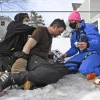
Volunteer groups and state agencies have stepped in to provide assistance. The National Guard has been deployed in Mississippi and Tennessee, while nonprofit organizations have delivered hot meals, water, and supplies to stranded residents. In Batesville, a privately owned warehouse has been converted into an emergency warming shelter, housing dozens of people displaced by storm damage.
Community members have taken on leadership roles within shelters, helping elderly residents and those with medical conditions navigate the crisis. Local churches and volunteers continue to support relief efforts, even as access to roads and supplies remains difficult.
Gov. Reeves said the state is preparing a major disaster declaration request to seek federal assistance, noting that recovery efforts will extend well beyond the return of power.
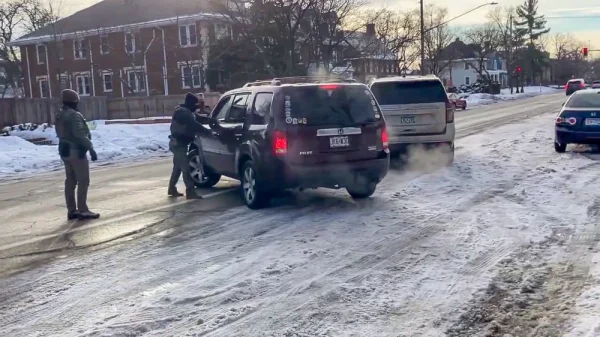
With another surge of Arctic air expected, officials are urging residents to avoid travel, check on vulnerable neighbors, and seek shelter if their homes remain without heat. Emergency managers warn that the ongoing cold poses a serious threat, especially for those already exhausted by days of uncertainty and hardship.