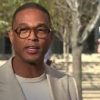
















Former CNN anchor and independent journalist Don Lemon was released from federal custody on Friday after being arrested in connection with a protest he covered at a Minnesota church earlier this month, a case that has ignited a national debate over press freedom and the limits of federal authority.
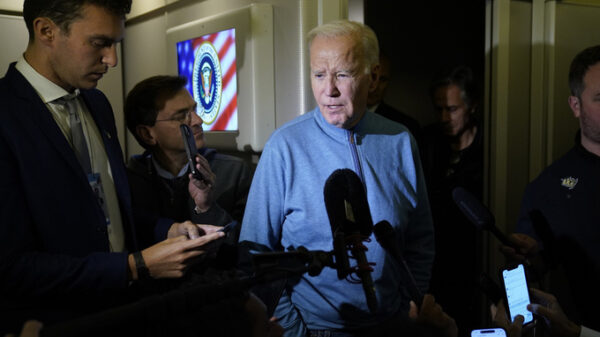
Lemon, 59, appeared briefly before a federal judge and was released on his own recognizance. Speaking outside the courthouse shortly afterward, he said the charges would not deter him from reporting.
“I will not stop,” Lemon told reporters. “The First Amendment protects my work and the work of journalists everywhere. I will not be silenced.”
Federal charges and arrest
A federal grand jury in Minnesota indicted Lemon and eight others on charges alleging a conspiracy to interfere with the religious freedom of worshippers at Cities Church in St. Paul. Prosecutors allege that Lemon participated in planning activities connected to a protest that disrupted a church service on January 18.
According to the indictment, demonstrators targeted the church because its pastor was alleged to have ties to Immigration and Customs Enforcement (ICE). Lemon has said he was present solely in a journalistic capacity and was documenting the protest, not participating in it.
Lemon was arrested late Thursday night in Beverly Hills by agents from the FBI and Homeland Security Investigations. His attorneys said he was taken into custody while reporting in Los Angeles ahead of the Grammy Awards.
Attorney General Pam Bondi said in a statement posted on social media that Lemon and three others were arrested in connection with what she described as a “coordinated attack” on the church. Three additional defendants had been arrested earlier and later released by a judge, while two others named in the indictment were not taken into custody.
Legal questions and First Amendment concerns
In court, Lemon’s attorney said he plans to plead not guilty. A federal magistrate judge previously found that the government lacked probable cause to arrest Lemon under the statute cited in the case, raising questions about the legal foundation of the prosecution.
The Justice Department is relying on the Freedom of Access to Clinic Entrances (FACE) Act, a law historically used to prosecute interference with abortion services but which also includes provisions related to houses of worship. Senior Justice Department officials have acknowledged that using the statute in the context of protests at churches is highly unusual.
Civil liberties advocates argue the case represents a troubling expansion of federal power. Press freedom organizations warned that prosecuting a journalist for covering a protest could have a chilling effect on news reporting nationwide.
“The arrest of a journalist for doing his job should concern everyone,” said Katherine Jacobsen of the Committee to Protect Journalists. “This sets a dangerous precedent.”
Protest backdrop and broader tensions
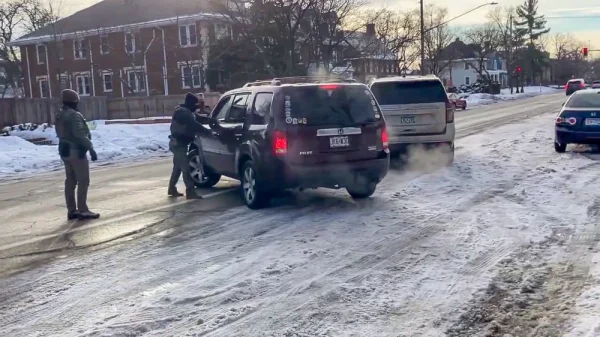
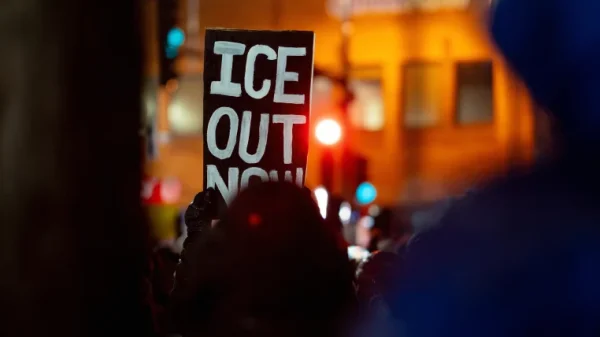
The protest at the center of the case took place amid an intensified federal immigration crackdown in the Minneapolis–St. Paul area. Demonstrators said they were protesting the killing of a woman during an ICE operation, an incident that has drawn widespread criticism and protests.
Lemon has said he attended a briefing before the demonstration but maintained that he did so as a reporter. In video footage he later shared online, Lemon can be heard stating that he was documenting events, not organizing or participating in the protest.
His legal team criticized federal authorities for focusing on his arrest rather than investigating the deaths that prompted the protests. “This is an unprecedented attack on the First Amendment,” one of his attorneys said in a statement.
Political and public reaction
Reaction to Lemon’s arrest and release was swift and polarized. Advocacy groups rallied outside the federal courthouse in Los Angeles, denouncing the prosecution as an attempt to intimidate journalists. Several public officials also raised concerns, warning that criminalizing news coverage of protests could erode constitutional protections.

The White House, meanwhile, drew criticism after posting a mocking message about Lemon’s arrest on social media, further inflaming tensions surrounding the case.
Lemon’s next court appearance is scheduled for February 9 in Minneapolis. Until then, he has said he intends to continue reporting.
“If journalism can be treated as a crime,” Lemon said, “then no reporter is truly free.”