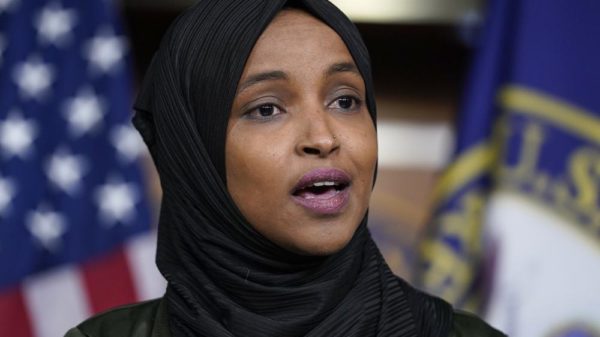



















Rep. Ilhan Omar (D-Minn.) suggested Wednesday that former President Donald Trump’s inflammatory rhetoric targeting her and the Somali-American community may have played a role in a violent incident at her town hall meeting Tuesday.
Omar addressed the media in Minneapolis, saying, “Every time the president has used hateful language about me or the community I represent, death threats against me increase significantly.” She added that her heightened security measures, including government-provided protection, are partly a consequence of such rhetoric.
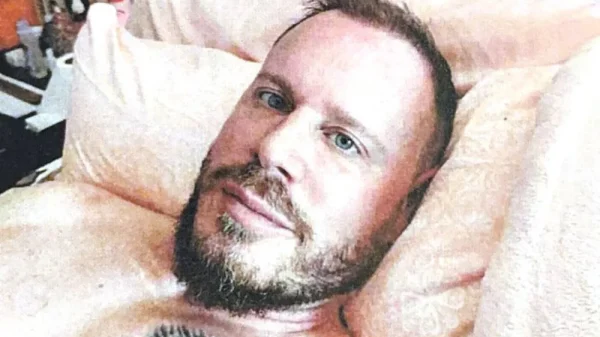
The incident occurred when a man, identified as 55-year-old James Kazmierczak, attempted to spray Omar with a substance from a syringe. Authorities arrested Kazmierczak on suspicion of assault, and the FBI confirmed it is investigating the case. Preliminary reports indicate the substance was apple cider vinegar. Under federal law, assaulting a member of Congress is a criminal offense.
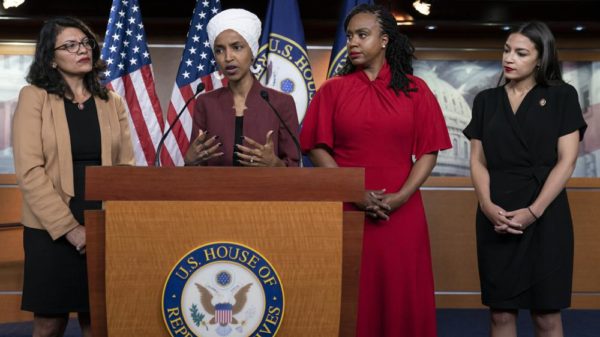
Omar’s remarks cited Trump’s long-standing criticism of her dating back to his first term, including tweets suggesting that Omar and three other members of Congress known as “the Squad” should “go back” to their countries of origin—comments widely condemned as racist. More recently, Trump has publicly linked Omar to alleged fraud investigations in Minnesota, stating that the Justice Department is “looking” at her.
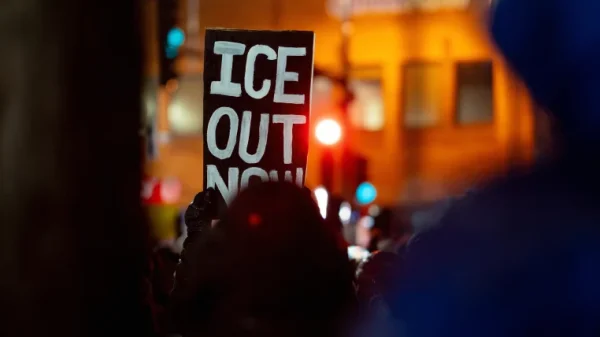
Omar suggested the assailant was motivated by Trump’s stance on Somali immigration, noting, “The individual was upset that Trump’s order to deport Somalis was not being fully enforced.” Officials have not publicly confirmed the motivations behind Kazmierczak’s actions.
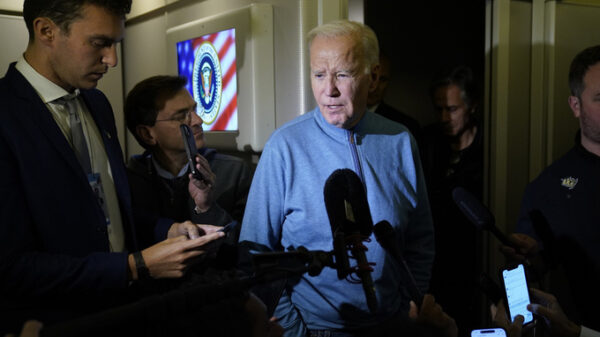
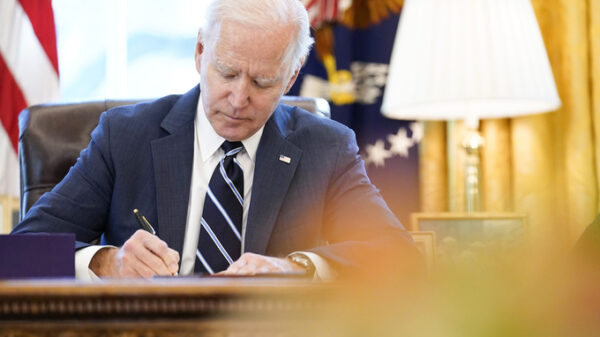
Kazmierczak’s social media accounts show strong support for Trump and criticism of Democratic politicians. Posts include questioning the integrity of Democrats and labeling President Joe Biden as “spineless.”
Political leaders across the spectrum reacted to the attack. Congressional Democrats strongly condemned it, while many Republicans also criticized the violence. Rep. Jasmine Crockett (D-Texas) highlighted the link between inflammatory rhetoric and violence, writing that it “has fueled this type of behavior.” Rep. Nathaniel Moran (R-Texas) emphasized that “political, religious, and ideological differences never justify violence.”
However, a few GOP figures echoed controversial claims that the assault may have been staged. Sen. Tommy Tuberville (R-Ala.) suggested the incident could have been orchestrated, and Rep. Randy Fine (R-Fla.) implied Omar bore some responsibility.
The attack on Omar underscores broader concerns over rising threats against elected officials. The U.S. Capitol Police reported that investigations into threats targeting members of Congress, their families, and staff surged to 14,938 in 2025, up from 9,474 in 2024—the third consecutive year of increase.
Minnesota is home to the largest Somali population in the U.S., a community Omar frequently represents and advocates for in Congress.