


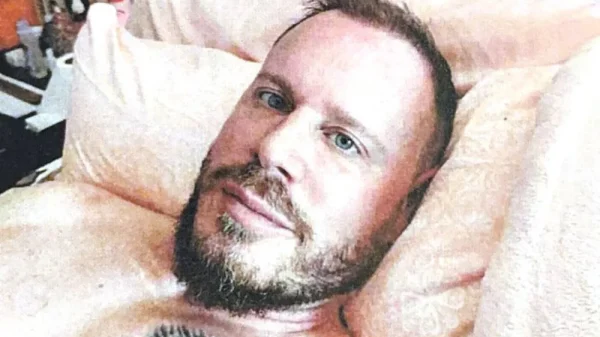
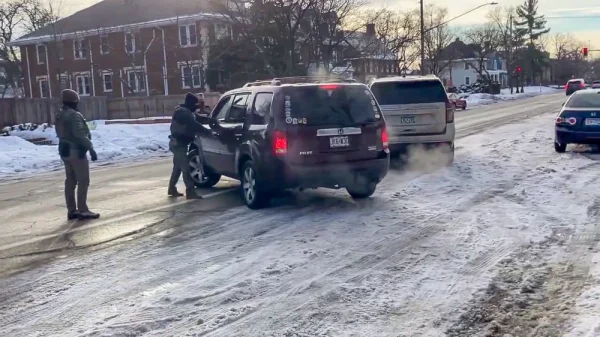





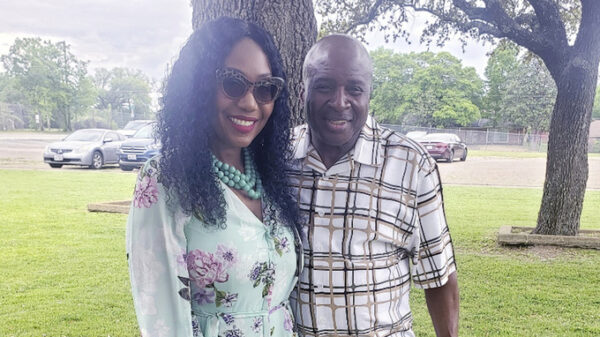








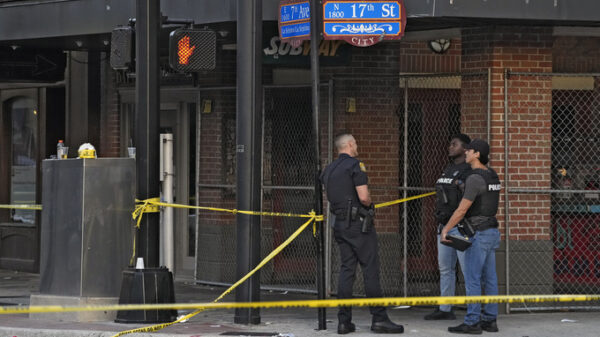


The fatal shooting of 37-year-old U.S. citizen Renee Nicole Good by an ICE officer this week has escalated tensions in Minnesota, highlighting the sharp divide between federal and state authorities and drawing national attention to the state’s political landscape.
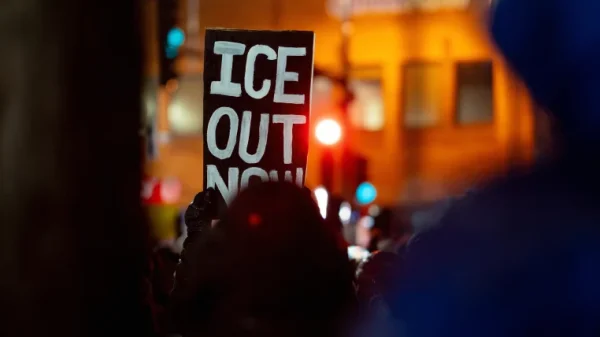
Weeks before the incident, Minneapolis Mayor Jacob Frey warned that the influx of federal agents could lead to serious injuries or worse. On Wednesday, his fears were realized as Renee Nicole Good was shot during a confrontation with Immigration and Customs Enforcement officials, prompting protests and condemnation from local leaders.
The spike in federal activity coincides with intensified scrutiny of Minnesota by President Donald Trump, his administration, and allies, including verbal attacks on Democratic Governor Tim Walz. Trump has repeatedly criticized Walz as “incompetent” and “corrupt,” while promoting unsubstantiated claims about Somali community leaders in the state. Many political analysts point to Trump’s longstanding desire to win Minnesota, a historically Democratic-leaning state, as a key factor in his focus.
Minnesota has faced scrutiny over a multi-year federal fraud investigation involving alleged misuse of hundreds of millions of dollars in federal social service funds. While federal prosecutors have secured convictions, conservative media and Trump allies have leveraged the investigation to push broader narratives, often targeting Somali Americans, who make up a significant portion of the state’s population.
State leaders, including Walz and Frey, condemned the ICE shooting as avoidable and predictable. “What we’re seeing is the consequences of governance designed to generate fear, headlines, and conflict,” Walz said. “This recklessness cost someone their life.” Frey demanded that ICE leave the city, describing the tragedy as entirely foreseeable.
Democratic officials and community members expressed frustration over the administration’s focus, viewing it as politically motivated and punitive. Democratic state Rep. Emma Greenman said, “They’re trying to break us,” referring to the state’s multiracial democracy and immigrant communities as targets.
White House press secretary Karoline Leavitt defended the administration’s actions, stating Trump “loves Minnesota and the people” and criticizing Walz’s leadership. Vice President JD Vance also publicly attacked Walz and Minnesota officials, while affirming federal efforts to pursue fraud investigations in the state.
The broader political context is clear: Trump’s attention on Minnesota reflects a combination of long-standing electoral ambitions, personal animosity toward Walz, and a focus on immigration enforcement and fraud investigations in Democratic-controlled areas. Republican strategists argue the heightened attention has amplified public awareness of fraud issues, while Democrats caution that the community is “emotionally fatigued” from repeated crises, including the aftermath of George Floyd’s murder.
As investigations continue and national attention remains fixed on Minnesota, the state finds itself at the center of a politically charged conflict, with federal, state, and local leaders navigating the fallout from both the ICE operation and the administration’s broader political strategies.