


















The Trump administration has formally requested Congress approval for an $11 billion arms sale to Taiwan, signaling a major reinforcement of the island’s defense capabilities amid ongoing concerns about a potential Chinese invasion.
Details of the Proposed Arms Package
The proposed military aid includes:
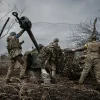
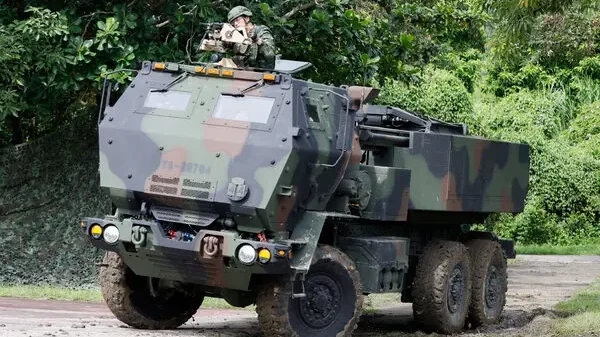
- High Mobility Artillery Rocket Systems (HIMARS) valued at over $4 billion.
- M109A7 self-propelled howitzers, also exceeding $4 billion.
- Javelin and TOW anti-armor missiles, totaling more than $700 million.
- Altius kamikaze drones produced by Anduril, enhancing Taiwan’s asymmetric defense capabilities.
According to the Pentagon’s Defense Security Cooperation Agency, the package is designed to support Taiwan’s ongoing military modernization and maintain a credible deterrent against potential aggression. Taiwan’s defense ministry echoed the sentiment, emphasizing that the weapons would provide strong deterrence and asymmetric combat advantages.
Comparisons and Strategic Implications
If approved, the $11 billion package would surpass the $8.4 billion in arms sales under the Biden administration and account for more than half of the $18.3 billion sold during Trump’s first term. The size and scope of the proposal are likely aimed at reassuring U.S. lawmakers and defense hawks concerned about Taiwan’s security as President Trump seeks trade and economic deals with Beijing.
Congressional Outlook
The request now heads to Congress, where bipartisan support for Taiwan is strong. Analysts predict the proposal is likely to pass, reflecting a consistent U.S. policy of providing defensive aid to Taiwan while balancing complex relations with China.
Broader Context of U.S.-China Relations
The arms package comes amid rising geopolitical tensions in the Taiwan Strait and growing concern over China’s military ambitions. While the U.S. has not explicitly named Beijing in its statements, the move clearly signals a commitment to maintaining a robust deterrent against potential Chinese aggression.