

















London / Washington, D.C. — The United Kingdom has reportedly stopped sharing intelligence with the United States regarding suspected drug-smuggling vessels in the Caribbean, citing concerns over the legality of recent U.S. military strikes, according to sources familiar with the matter.
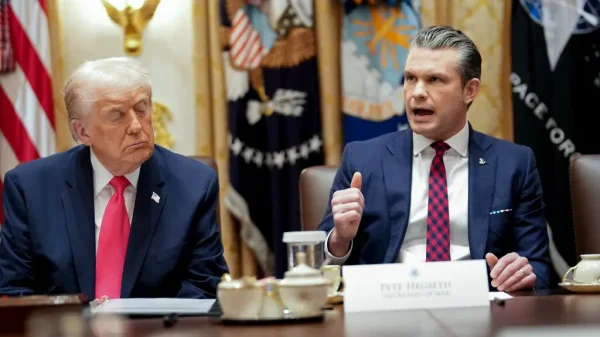
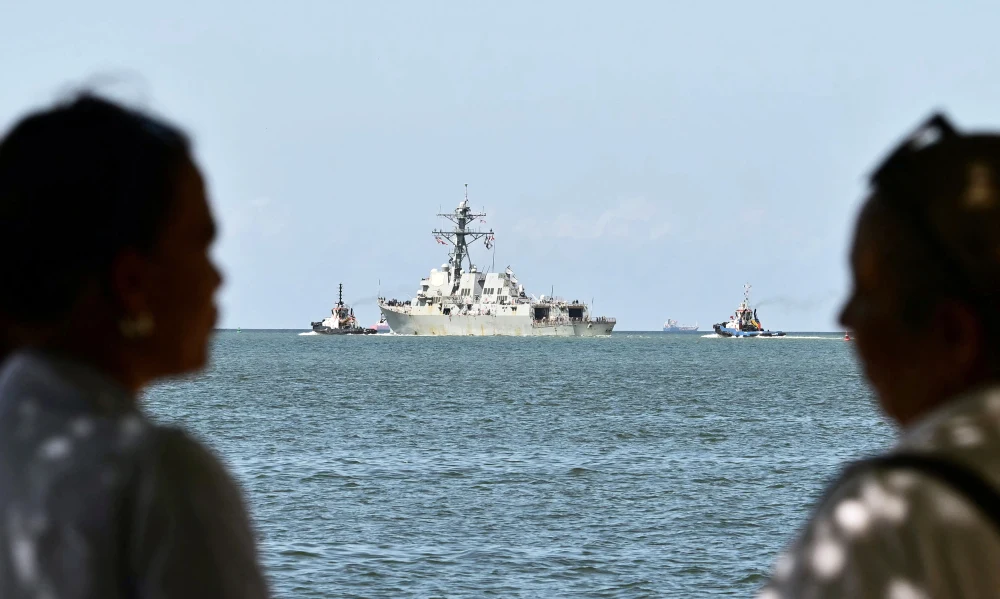
The strikes, conducted by the Trump administration, targeted boats alleged to be carrying narcotics. They have killed at least 75 people since early September and have raised alarm among legal experts and some international allies, who argue that drug traffickers do not meet the legal definition of an armed group at war with the U.S.
A spokesperson from Downing Street declined to comment directly, stating only that “It is our longstanding policy to not comment on intelligence matters” and reaffirming that the U.S. remains the U.K.’s “closest ally on security and intelligence.”
The reported suspension is significant because the U.K. is America’s most important partner in the Five Eyes intelligence alliance, alongside Australia, Canada, and New Zealand. The Caribbean region is also home to territories of Britain, France, and the Netherlands, which have long collaborated with the U.S. to combat cocaine trafficking from South America.
European officials, including France’s Foreign Minister Jean-Noel Barrot, expressed concern that the U.S. strikes may violate international law and maritime regulations, while the U.N. High Commissioner for Human Rights Volker Türk called the attacks “unacceptable” and warned against extrajudicial killings at sea.
Despite these criticisms, U.S. Secretary of State Marco Rubio maintained that no intelligence sharing has been impeded and emphasized that the United States must safeguard its national security against narco-traffickers, which the administration considers a form of “narco-terrorism.” Rubio stated, “I don’t think that the European Union gets to determine what international law is.”
Other countries in the region have responded cautiously. Colombian President Gustavo Petro ordered his nation’s security forces to halt intelligence sharing with the U.S. until the strikes stop, criticizing Washington for not respecting regional sovereignty. Canada also confirmed it is not involved in these operations.
Legal experts, former military lawyers, and some congressional Democrats argue that these strikes could violate both U.S. and international law, as the use of lethal force against civilians on the high seas is highly restricted. Meanwhile, the Trump administration maintains that drug cartels pose a significant threat to American national security, citing the tens of thousands of lives claimed annually by narcotics trafficked into the United States.
The controversial campaign marks the first time an American president has treated drug traffickers as a military adversary at war with the United States, creating tension with allies and raising complex questions about international law, sovereignty, and counter-narcotics strategy.